Re‑Livestock partners gathered in Pisa for the project’s fifth General Assembly to connect results, imagine the future of livestock systems and prepare the final stage of the project
Pisa, Italy, October 2026.
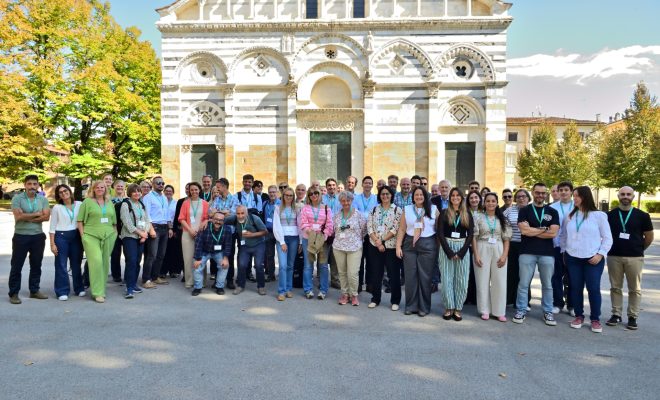
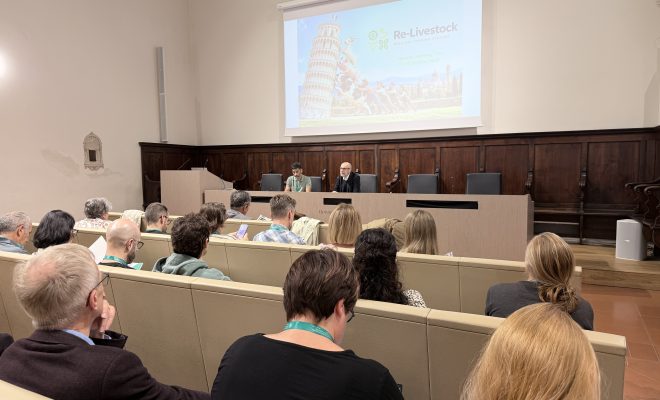
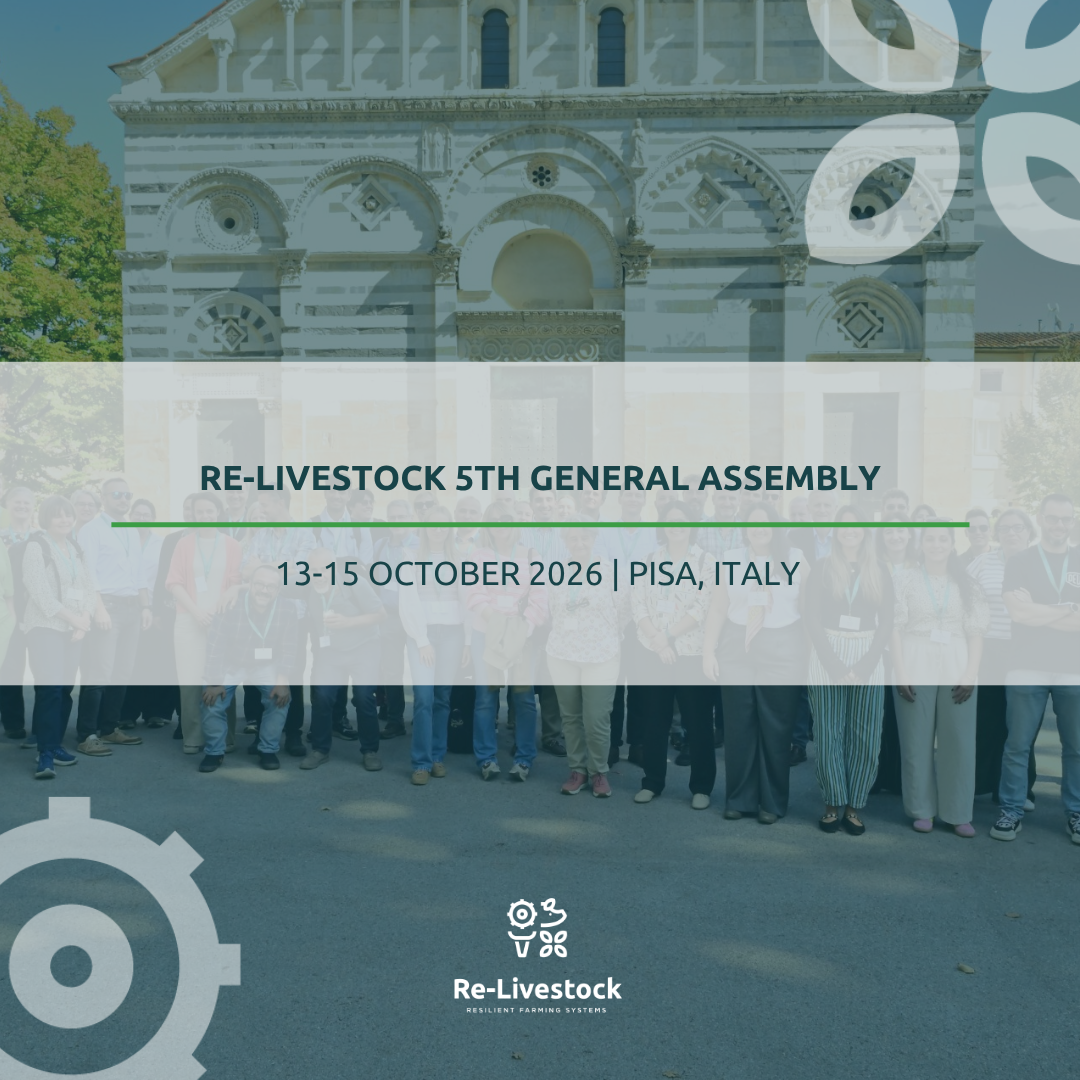
From 13 to 15 October 2026, the partners of the EU‑funded Re‑Livestock project met in Pisa for the project’s fifth General Assembly. The meeting was hosted by the University of Pisa at Le Benedettine Conference Centre. Over three days, researchers, advisors and industry partners from across Europe reviewed progress, worked across disciplines and looked ahead to how the project’s results can support livestock systems that are more resilient to climate change and lower in emissions.
Sharing results across the project
The assembly opened with an extended poster session, in which each Work Package presented its latest results. The format encouraged direct, informal exchange between teams working on feeding, breeding, farm management, assessment, modelling and transition pathways. Partners could explore results beyond their own area of work and identify new links between activities.
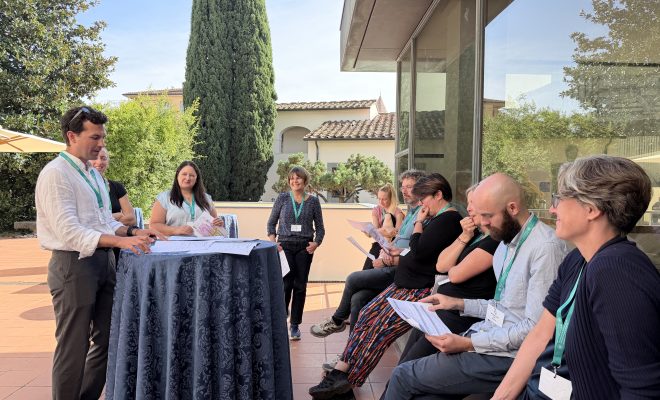
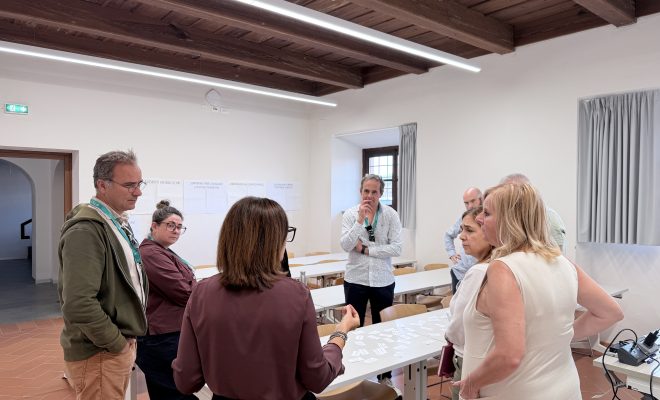
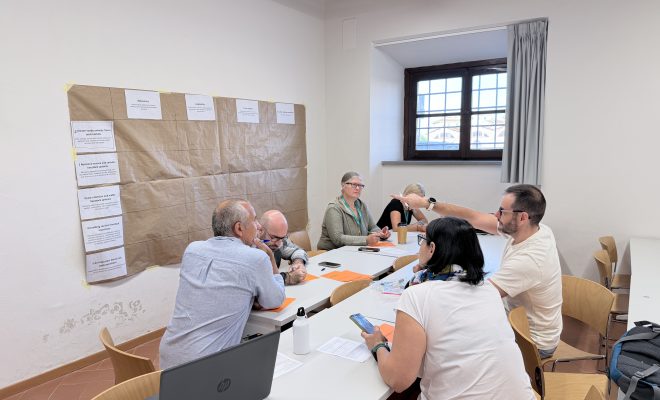
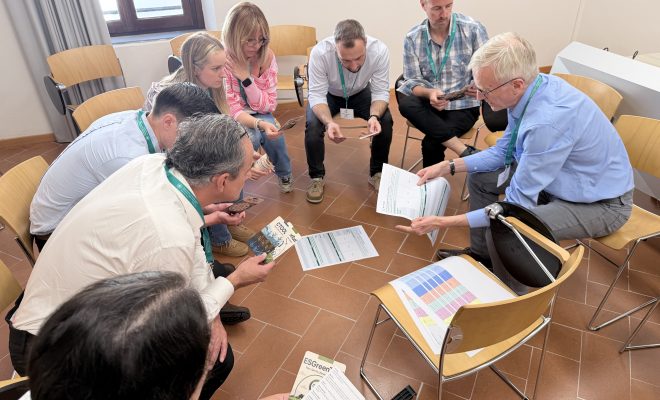
In the afternoon, a workshop led by FiBL looked at the project’s work on gender. ICOEL then led a workshop on the decision support “Toolbox”, which is being developed to help farmers and advisors assess and adopt resilient practices. The day closed with the final round of WP1 workshops, led by University College Dublin with the case‑study facilitators, bringing together insights from the multi‑actor case studies across Europe.
From results to a shared vision for the future
The second day focused on bringing knowledge together and looking ahead. In a session led by FiBL and CSIC, partners combined results from across the project to build interdisciplinary insights into the resilience of livestock systems. This was followed by a back‑casting exercise led by the University of Pisa. Partners pictured a desirable future for European livestock farming and worked backwards to identify the steps needed to get there.
In the afternoon, CIHEAM Zaragoza presented Work Package 8 updates and the plans to share Re‑Livestock results with farmers, advisors, researchers and policymakers in the final stage of the project, through webinars, advanced training courses and other dissemination activities. The consortium then discussed the actions needed to complete the project successfully.
Connecting research with the field
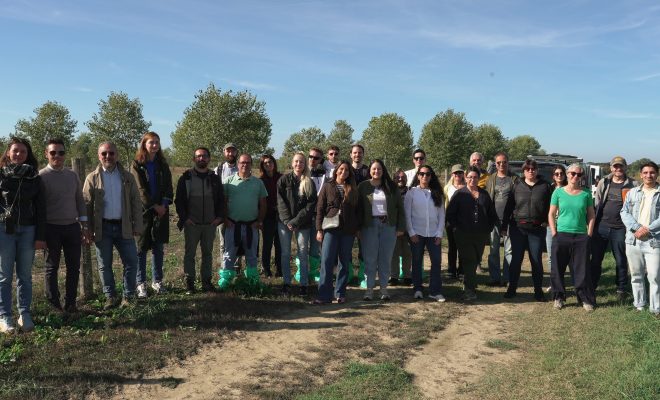
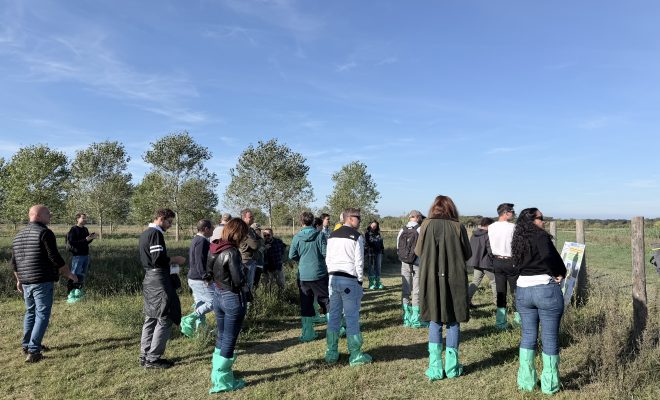
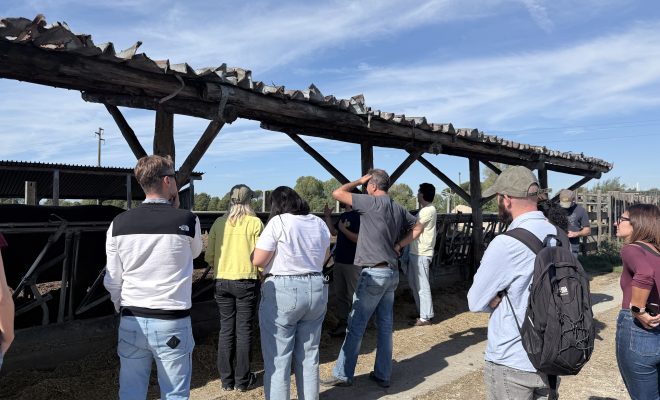
The final day was dedicated to a visit to the University of Pisa’s “Enrico Avanzi” Agro‑Environmental Research Centre (CiRAA) in San Piero a Grado. Covering 1,400 hectares within the Migliarino–San Rossore–Massaciuccoli Natural Park, it is one of Europe’s largest research centres for sustainable agricultural systems. The centre manages dairy and beef cattle, including an Italian Friesian dairy herd and one of the largest herds of the local Mucca Pisana breed, alongside long‑term agro‑environmental research. The visit gave partners first‑hand insight into how research, livestock production and landscape conservation come together, connecting the discussions of the previous days with real farming systems.
Looking ahead
The Pisa assembly was an important milestone as Re‑Livestock moves into its final phase. The three days were marked by active participation, constructive dialogue and strong alignment among partners. They strengthened the integration of the project’s results and its commitment to delivering practical, science‑based solutions for more resilient and sustainable livestock farming in Europe.
Re‑Livestock in Pisa: interviews
During the assembly, the communication office of the University of Pisa’s “Enrico Avanzi” Agro‑Environmental Research Centre interviewed Re‑Livestock partners about the project:
▶️ Prof. Michele Moretti, University of Pisa (in Italian, with English subtitles)
▶️ Prof. Laurence Smith, University of Reading
Read the University of Pisa’s coverage of the meeting here (in Italian).