Re-Livestock partners gathered in Valencia for a three-day General Assembly to advance climate-resilient and low-emission livestock farming
Valencia, Spain, November 2025.
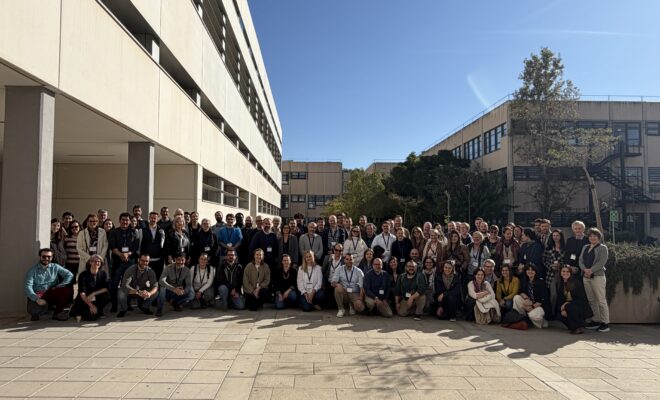
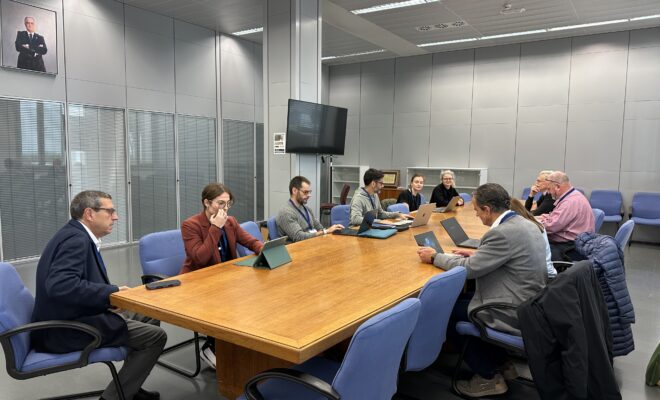
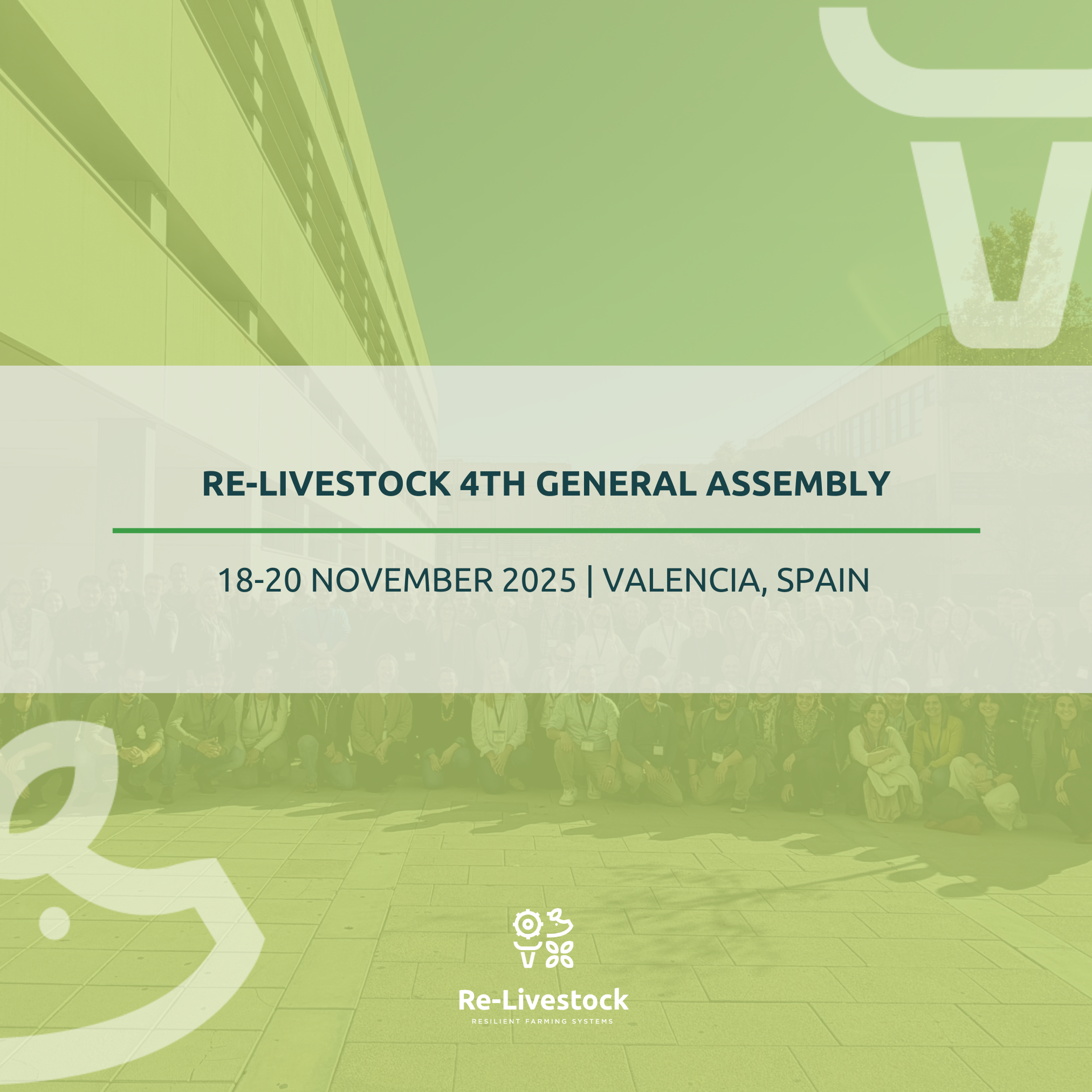
The partners of the EU funded Re-Livestock project met in Valencia at the Universitat Politècnica de València (UPV) for a productive three day General Assembly that provided an important opportunity to review scientific progress, strengthen collaboration across teams and reinforce the shared commitment to developing livestock systems that are more resilient, sustainable and aligned with Europe’s climate goals.
A meeting focused on scientific integration and shared learning
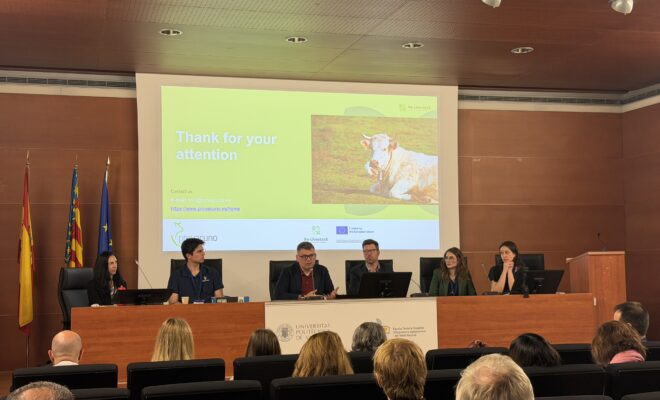
The assembly opened with a comprehensive overview of progress achieved across the project’s work packages. Teams presented updates on livestock emission mitigation and climate adaptation strategies from feeding, breeding, flock management and housing, as well as the latest developments of case studies and stakeholders groups debates. These exchanges offered a clear picture of the work carried out over the past year and helped ensure that the knowledge produced across regions and species continues to move toward a coherent and integrated framework for livestock sustainability.
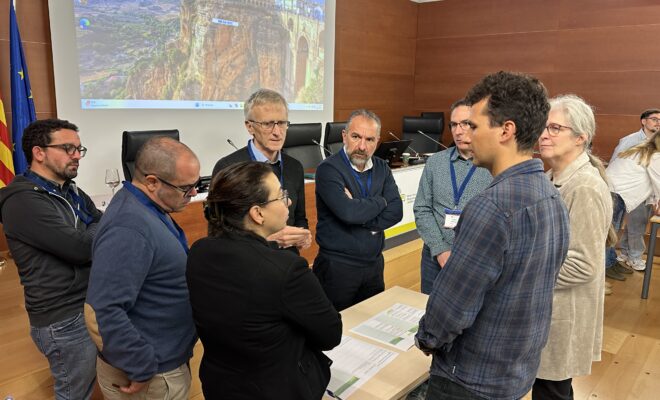
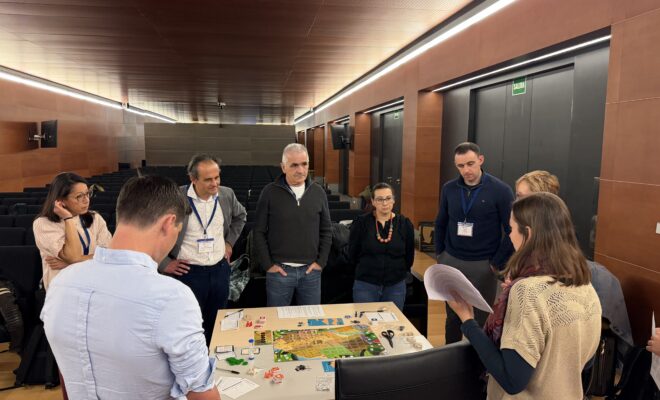
A central part of the meeting was a series of resilience dialogues that invited partners to reflect on how resilience can be understood and measured at different levels of livestock systems ranging from the animal to the wider territorial context. These discussions helped refine methodologies, highlight synergies between research activities and strengthen the link between environmental, social and economic dimensions of resilience.
The assembly also included an exchange with representatives from the livestock sector (C-Lock, Nestlé, Digitanimal, CRV, Provacuno and PIC). This moment provided valuable insight into the realities faced by producers and companies and reinforced the project’s commitment to scientific outputs that are both ambitious and applicable in practice.
Exploring innovation uptake and pathways for system transition
During the second day, partners worked together to deepen the understanding of how different innovations can be adopted effectively by farmers. Discussions focused on behavioural drivers, barriers to change, incentives and potential pathways for transition. This work will contribute directly to the project’s recommendations for supporting European livestock producers in adopting climate smart and resilient practices.
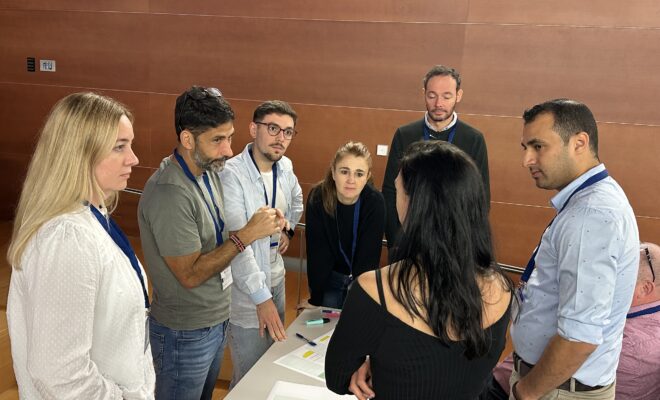
The programme also included interactive activities between animal and farm research work packages and the modelling work, to improve the data flow from experiments to models and to ensure that models properly capture the context of the systems in which research and case studies are being run. These exercises promoted collaboration between teams and ensure that the testing of innovations in future scenarios and the exploration of long term strategies for sustainable livestock systems align with the practical needs of the sector.
Connecting science with on farm reality
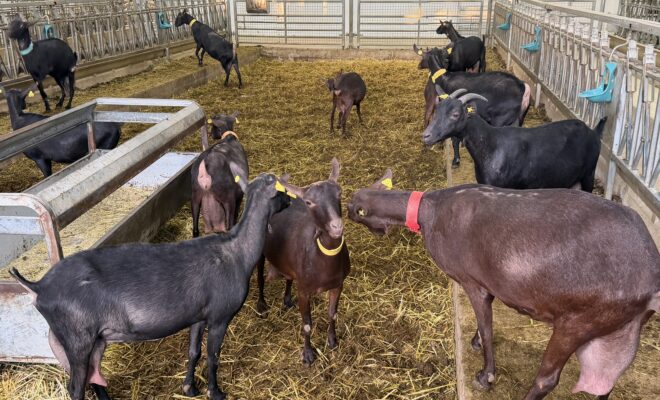
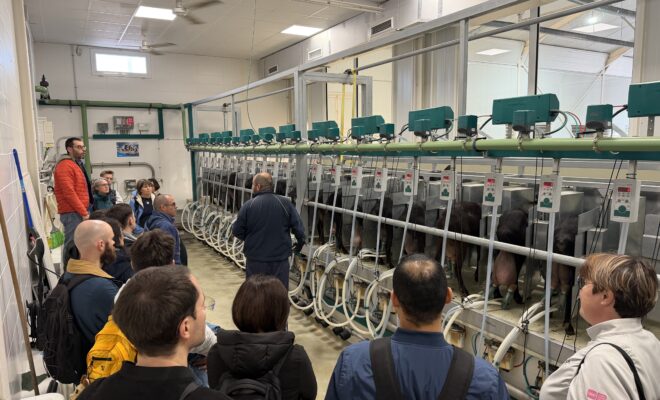
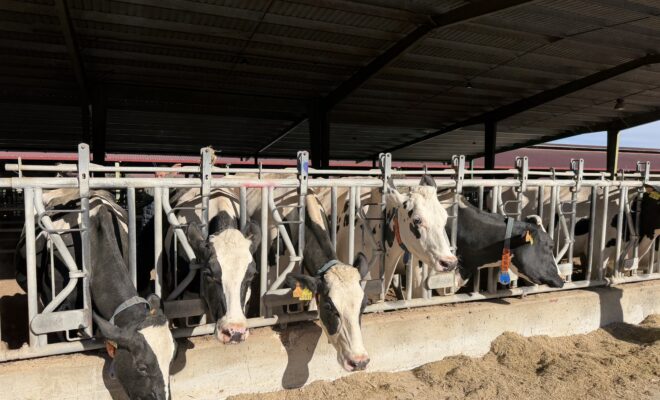
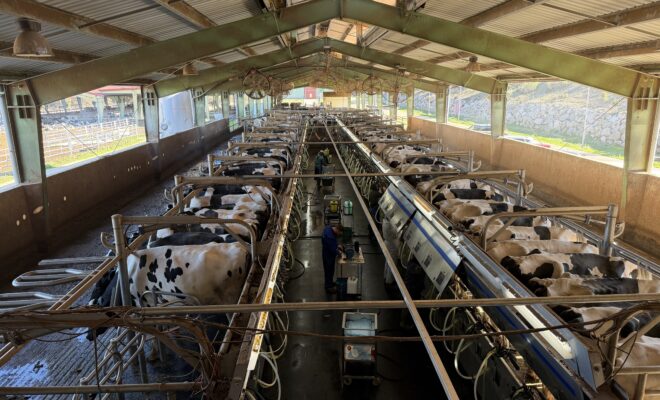
The final day of the assembly was dedicated to technical visits that allowed partners to observe applied research and innovative practices in real production settings. Participants visited the University’s Experimental Goat Farm, fully equipped for research on feeding intake, animal behaviour, metabolic studies and precision management of the flock and of the barn environment. The group also visited the San Ramón Dairy Farm in Requena; this company is collaborating with the UPV on the project experiment aiming to understand cows’ behaviour regarding shade by using precision livestock techniques and advanced data processing. The visits provided first-hand insight into how scientific approaches are being tested, adapted, and implemented on the ground.
This opportunity to connect scientific concepts with real production conditions enriched the collective understanding of both the challenges and the opportunities that shape livestock systems today.
A key moment for the project’s next phase
The Valencia assembly marked an important milestone as Re-Livestock enters its final phase of synthesis and reporting. The three days were characterised by active engagement, constructive dialogue and strong alignment among partners regarding the next steps of the project. The meeting strengthened scientific integration, consolidated important learnings and set the foundations for delivering results that can support the transition toward livestock systems that are more resilient, lower in emissions and socially responsible.