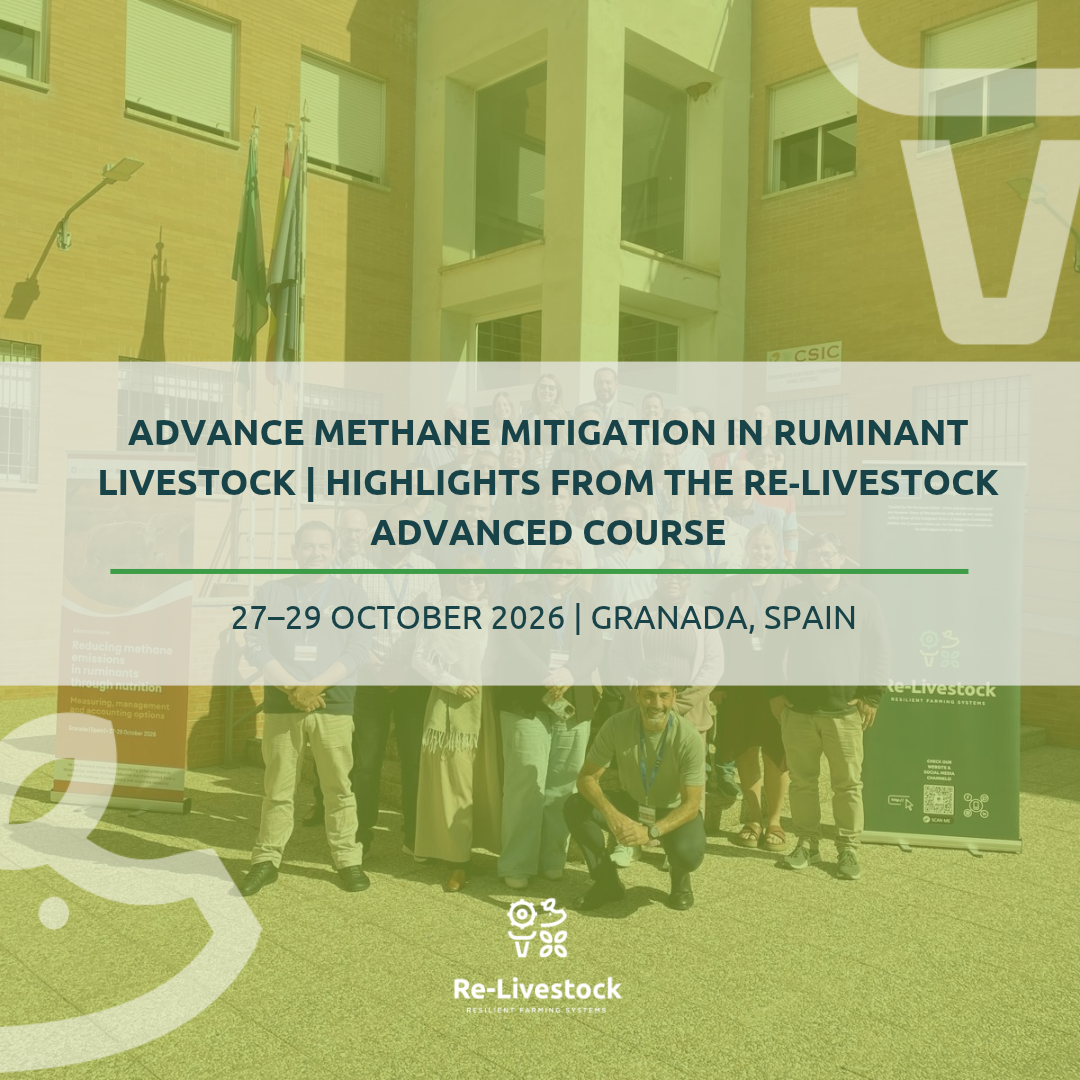
Granada, Spain | 27–29 October 2026
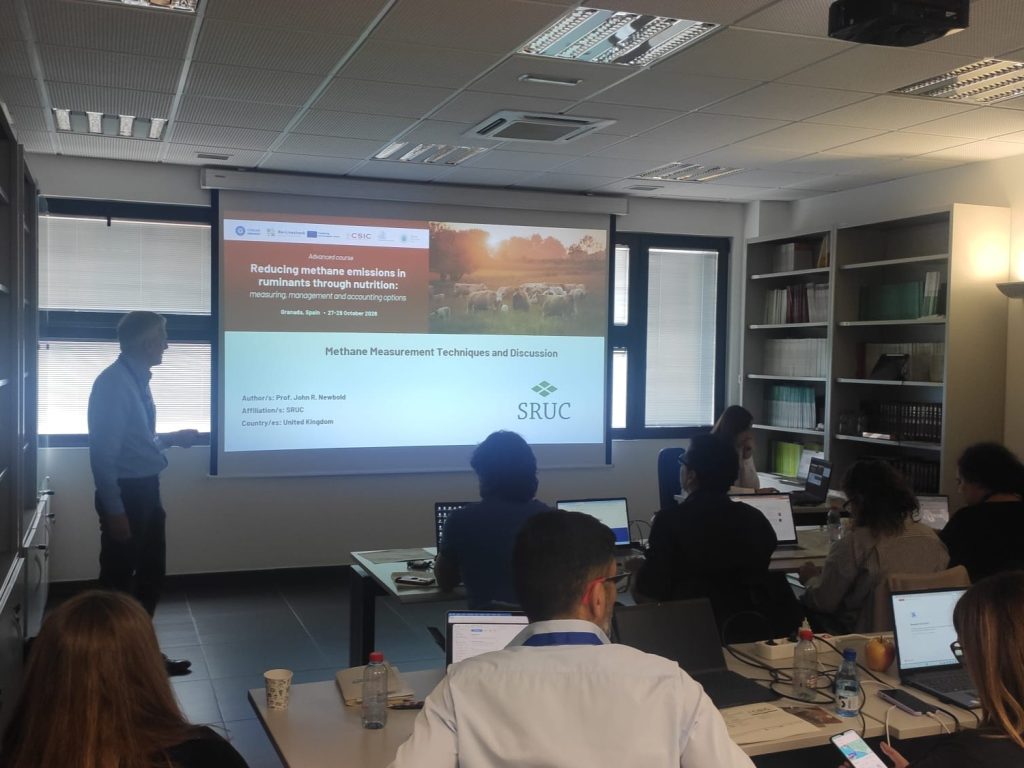
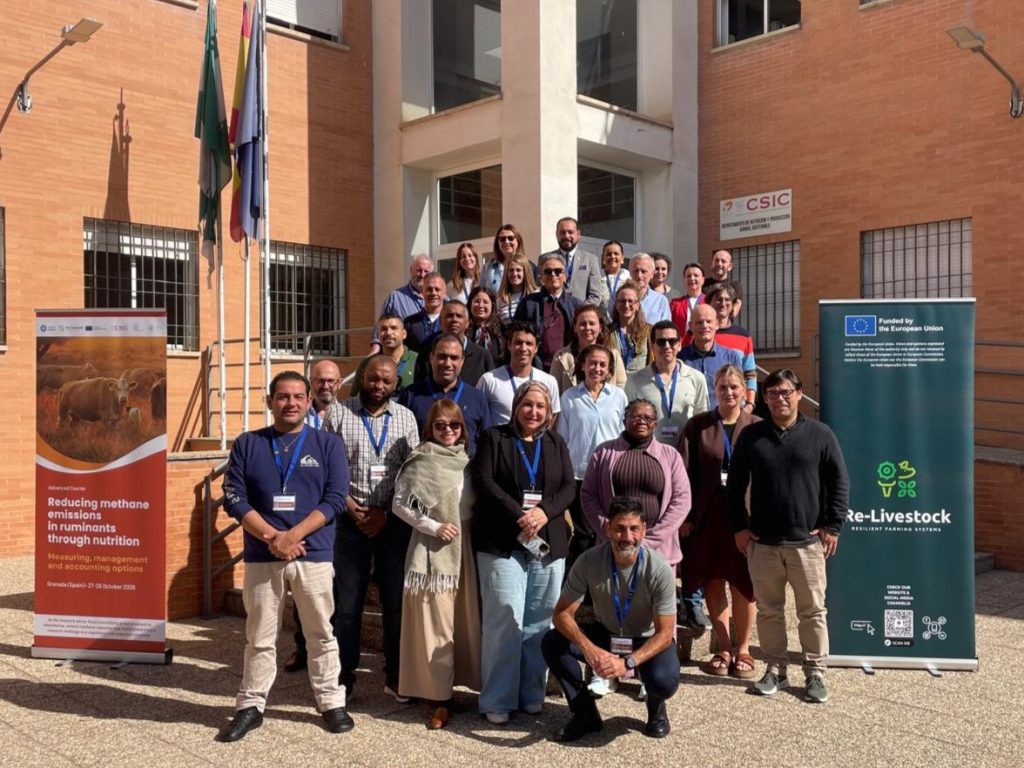
How can nutritional strategies help reduce methane emissions from ruminant livestock? This question was at the heart of the advanced training course “Reducing methane emissions in ruminants through nutrition: measuring, management and accounting options”, held in Granada, Spain, from 27 to 29 October 2026.
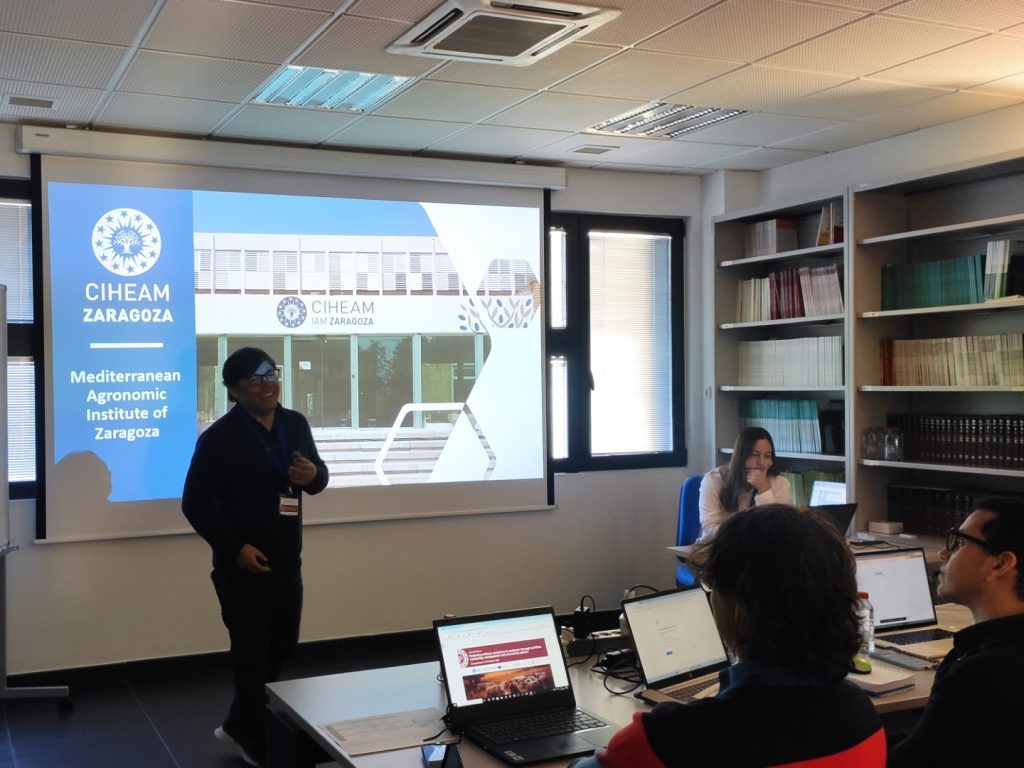
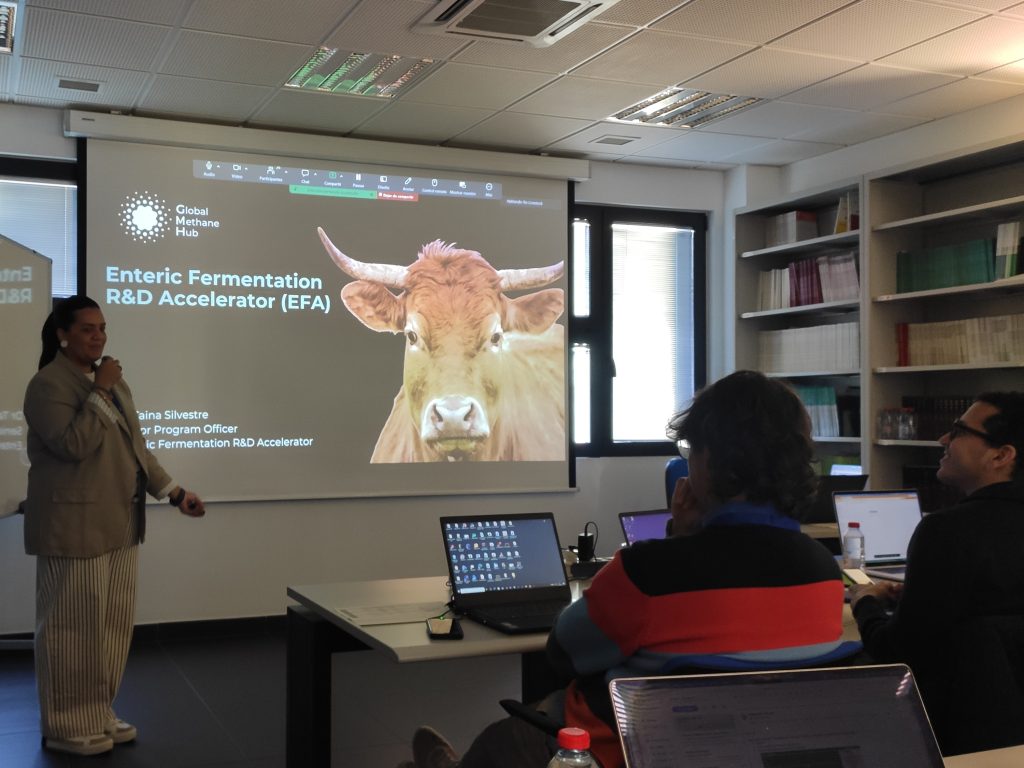
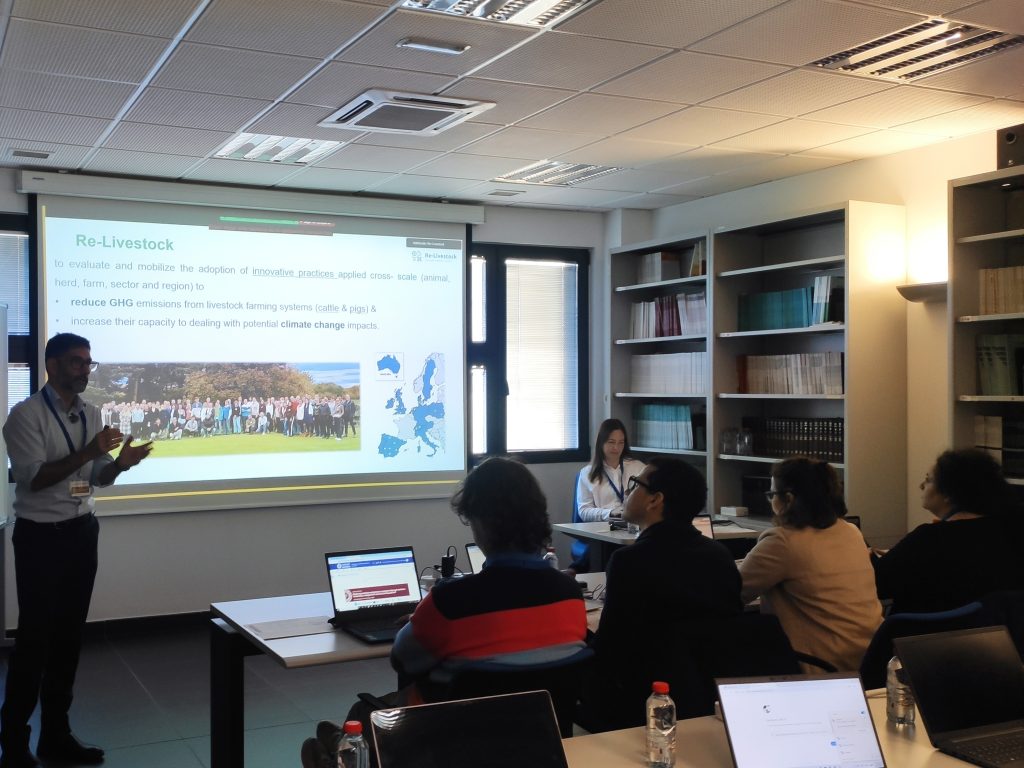
The course was co-organised by the European research project Re-Livestock, through its partners CSIC and CIHEAM Zaragoza, with contributions from experts at SRUC and Wageningen University & Research (WUR), and by two international initiatives working on greenhouse gas mitigation: the Global Research Alliance on Agricultural Greenhouse Gases (GRA) and the Global Methane Hub (GMH).
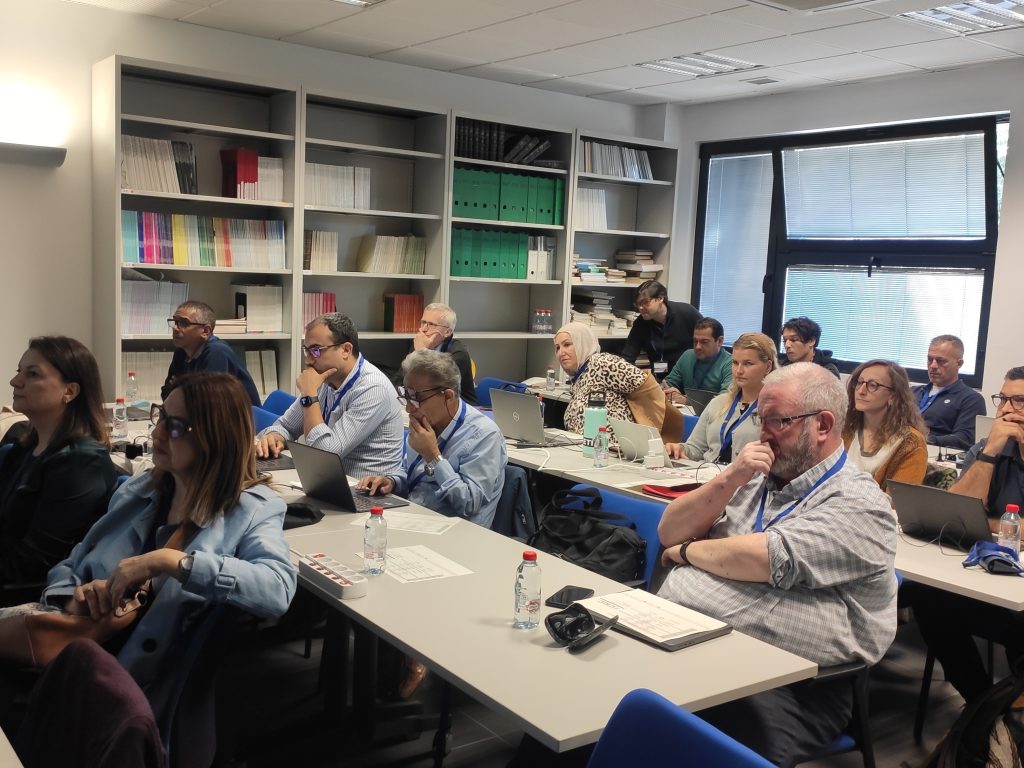
The training brought together 45 participants from five continents, with 24 attending in person in Granada and 21 following the course online. Lecturers, case studies and demonstrations were provided by 20 expert lecturers from This international participation provided an opportunity to exchange scientific knowledge and experiences across different geographical and institutional contexts, addressing the global challenge of reducing methane emissions from livestock production.
From methane biology to practical mitigation strategies
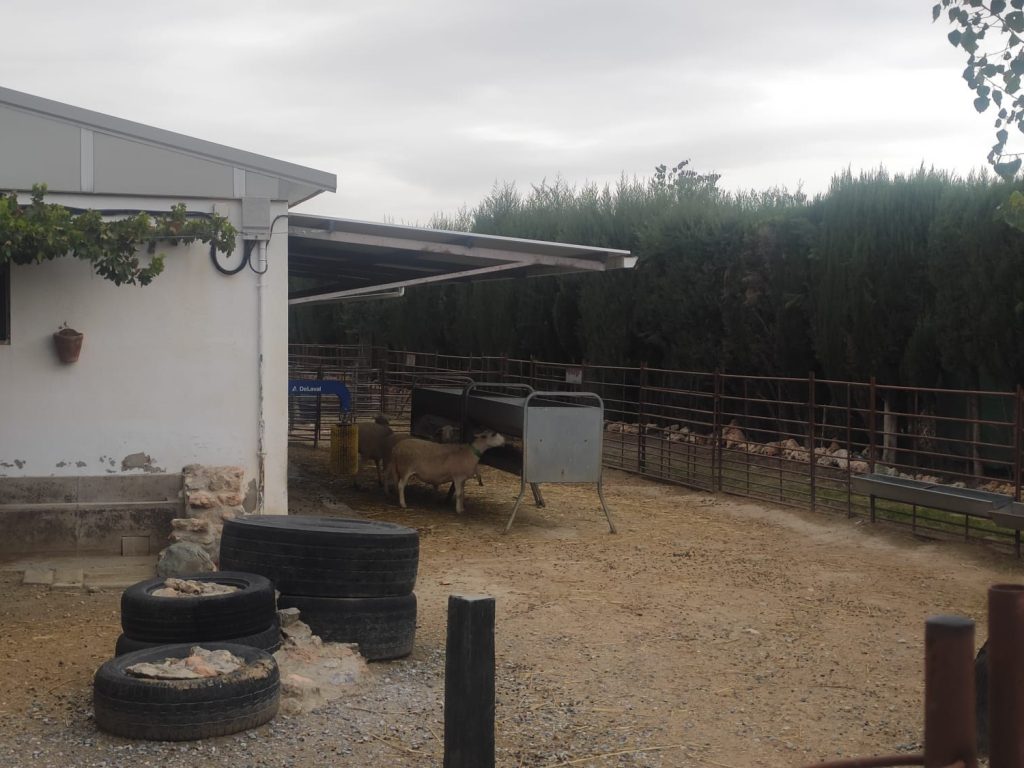
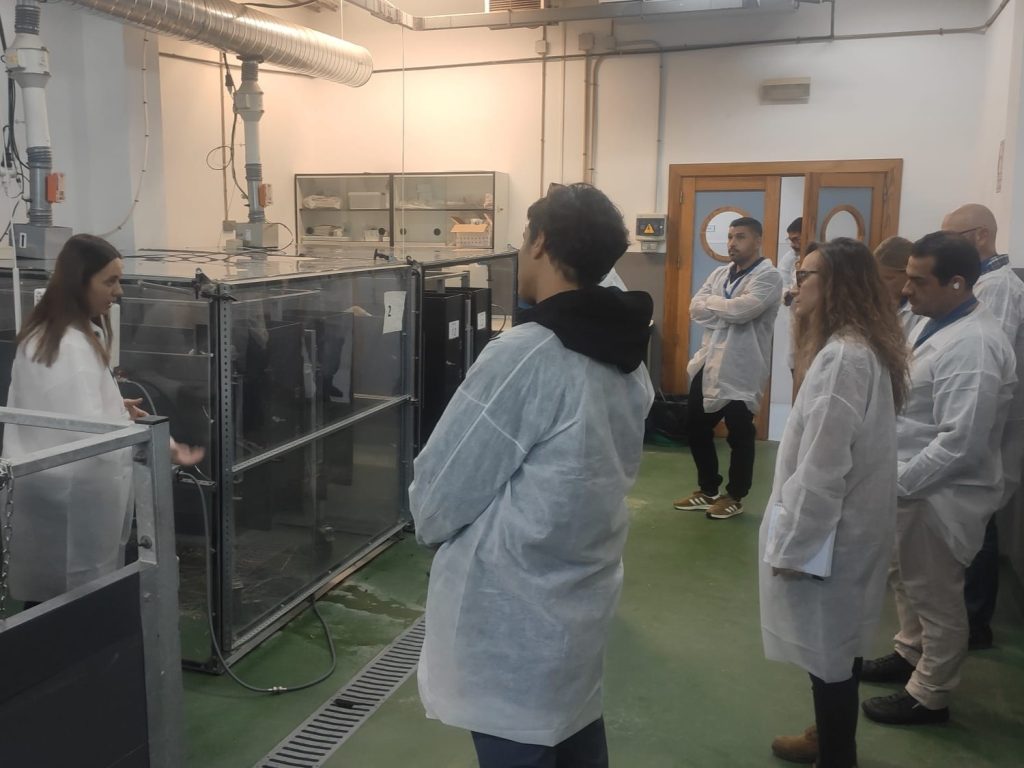
The programme began by examining global methane emissions, developments in mitigation strategies and the role of ruminant livestock in the wider climate challenge. Participants explored the biological processes and pathways involved in methane production in the rumen, followed by sessions on different methane measurement techniques, including practical demonstrations. The second day focused on nutritional approaches to reducing enteric methane emissions. Sessions addressed the technical development of feed additives, the regulatory frameworks governing their authorisation in Europe and New Zealand, and practical nutritional strategies for livestock production systems. Discussions also explored the acceptance and adoption of these innovations, bringing different stakeholder perspectives into the conversation and highlighting the importance of connecting scientific advances with practical needs.
From individual animals to national emissions accounting
The final day addressed another key challenge: how to model, measure and account for emission reductions reliably. Sessions examined approaches at different levels, from individual animals and farms to value chains and national greenhouse gas inventories. Participants also explored tools for modelling emission reductions and considered potential trade-offs with other sources of emissions. Real models of integrating real farm indicators into farm and national inventories were brought from New Zealand, Spain and the UK.
International experts contributed throughout the course, including specialists from CSIC, SRUC, WUR, GRA, UC Davis, Ministries of agriculture from Spain and New Zealand, and other research and public organisations.
Turning research into meaningful change
Reducing methane emissions requires more than identifying promising technologies. It also depends on farmers’ adoption of technologies, robust measurement methods, appropriate regulatory frameworks, practical implementation and reliable ways to assess progress.
By combining scientific foundations with applied examples and international knowledge exchange, the Re-Livestock advanced course provided a forum to explore these interconnected challenges and the role of nutritional management in more sustainable ruminant production.
The initiative reinforces Re-Livestock’s commitment to developing knowledge and practical solutions that can support the transition towards more sustainable and resilient European livestock systems.
The Re-Livestock 4th training course will come in 2027 to provide new advances on LCA applied to livestock farming.